
Let’s be honest – staying focused these days isn’t always easy. With distractions around every corner, it’s no surprise that concentration can be hard to come by. For students, the right environment can make all the difference. A thoughtfully designed space can help them focus better, feel at ease, and get the most out of their study time.
At A Designer at Heart, we’re passionate about creating spaces that boost productivity and wellbeing.
Here are a few design tips to help create an environment where students can truly focus and thrive.
1.Colours
Colours have the power to affect mood and mental clarity. For study areas, we recommend using calming tones like soft blues and greens, which encourage focus and tranquillity. Natural wood finishes for furniture can also bring a sense of calm by connecting students with nature. While blues and greens are great for focused work, yellow can stimulate creativity and optimism, making it ideal for collaborative spaces or meeting rooms where ideas flow.


2. Lighting
Good lighting is essential for focus. Natural light is always the best option, so it’s worth choosing study areas near windows to let in as much daylight as possible. If that’s not an option, we recommend using artificial lighting that mimics natural light. For a balanced approach, mix ambient lighting with task lighting. Study desks should feature adjustable lamps, while common areas need well-distributed overhead lighting to keep the energy up throughout the space.
3. Organisation and Clutter
A cluttered environment can lead to a cluttered mind. To keep study areas clear and conducive to concentration, provide plenty of storage options such as shelves and cabinets. Cable management is another small detail that makes a big difference — tidy cords mean less visual distraction. Encouraging students to tidy up shared spaces at the end of the day by using storage boxes can help maintain a sense of order and focus.
4. Furniture and Comfort
Comfortable furniture is essential for maintaining focus. Ergonomic chairs and spacious desks not only prevent discomfort but also promote good posture, which is important for long study sessions. Investing in quality, ergonomic furniture shows a commitment to students' health, helping them stay focused without physical distractions.
5. Personalisation
Allowing students to personalise their spaces helps them feel more at home and motivated. Small touches like posters, artwork, or personal décor can make a space feel welcoming and inspiring. A study environment that feels like ‘home away from home’ is one that students will naturally gravitate towards.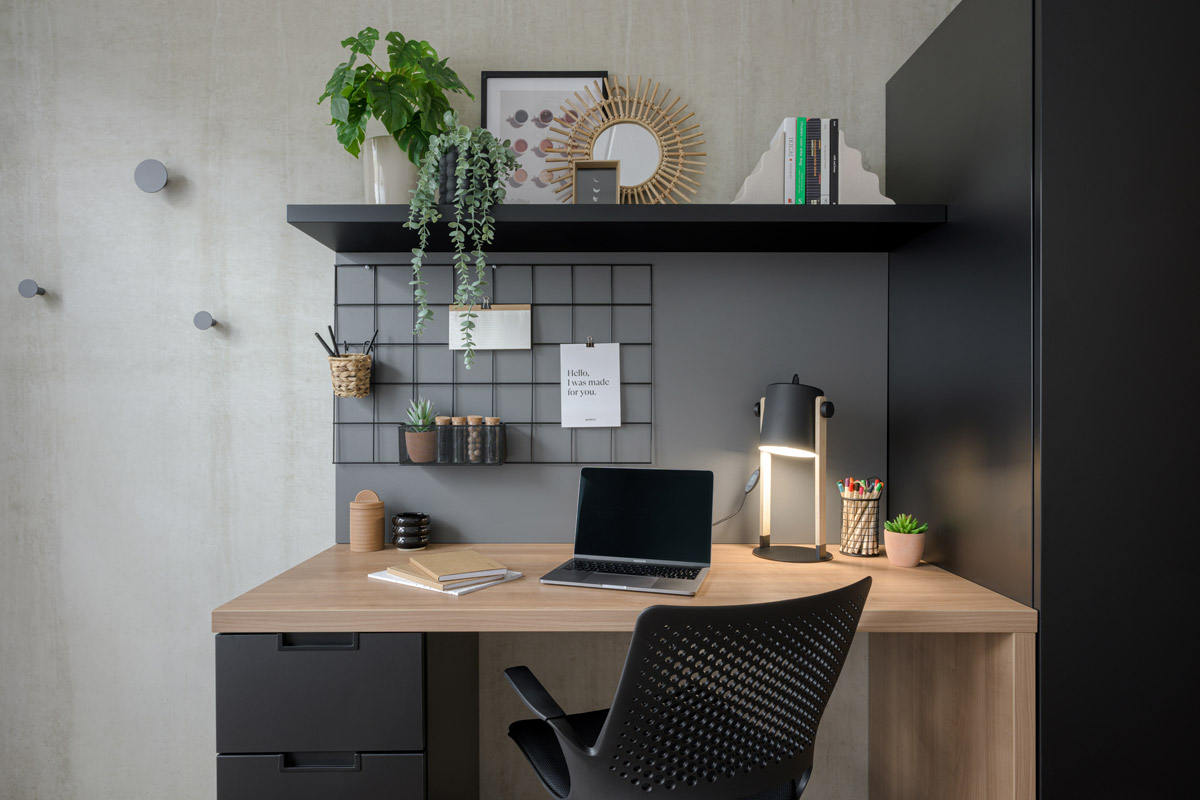
6. Biophilia
Biophilia — the love of nature — is a key design principle for us. Incorporating plants into study spaces has been shown to boost focus, reduce stress, and improve overall productivity. Plus, plants purify the air, contributing to a healthier environment.
7. Quiet Zones
Everyone has their own way of working. Some people thrive in quiet, peaceful spaces, while others can focus in more bustling environments. To cater to all preferences, it’s crucial to designate areas for quiet study. These spaces should be free from distractions and include noise-cancelling features like acoustic panels or screens between desks.

8. Collaborative Spaces
Not all work is done in isolation. To foster a sense of community and teamwork, create dedicated spaces for collaboration. These areas can be used for group projects and discussions, leaving the quieter zones available for those who need focused time on their own.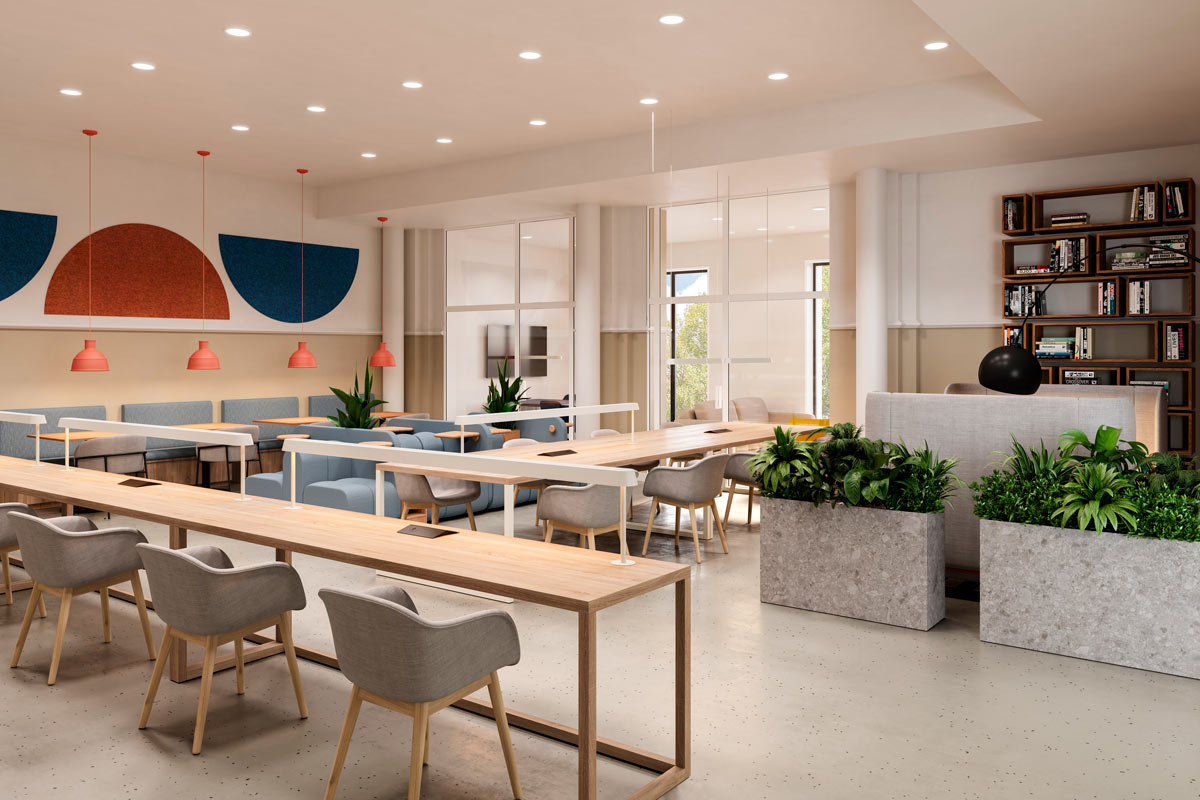
Conclusion
Designing spaces that enhance focus, and productivity is about more than just aesthetic appeal. Thoughtful choices around colour, lighting, furniture, and organisation can create an environment that supports both individual concentration and group collaboration. By incorporating these design principles, student accommodation providers can support students in their academic pursuits, helping them stay focused and succeed.
At A Designer at Heart, we’re passionate about designing spaces that empower students to thrive. If you’re looking to create a focused, inspiring environment for your student accommodation, we’d love to help bring your vision to life. Get in touch with us today to start designing spaces that support success.
Fancy 5 minutes more reading? Check out this post:How to Design The Ideal PBSA Study Room

Comments
latest


